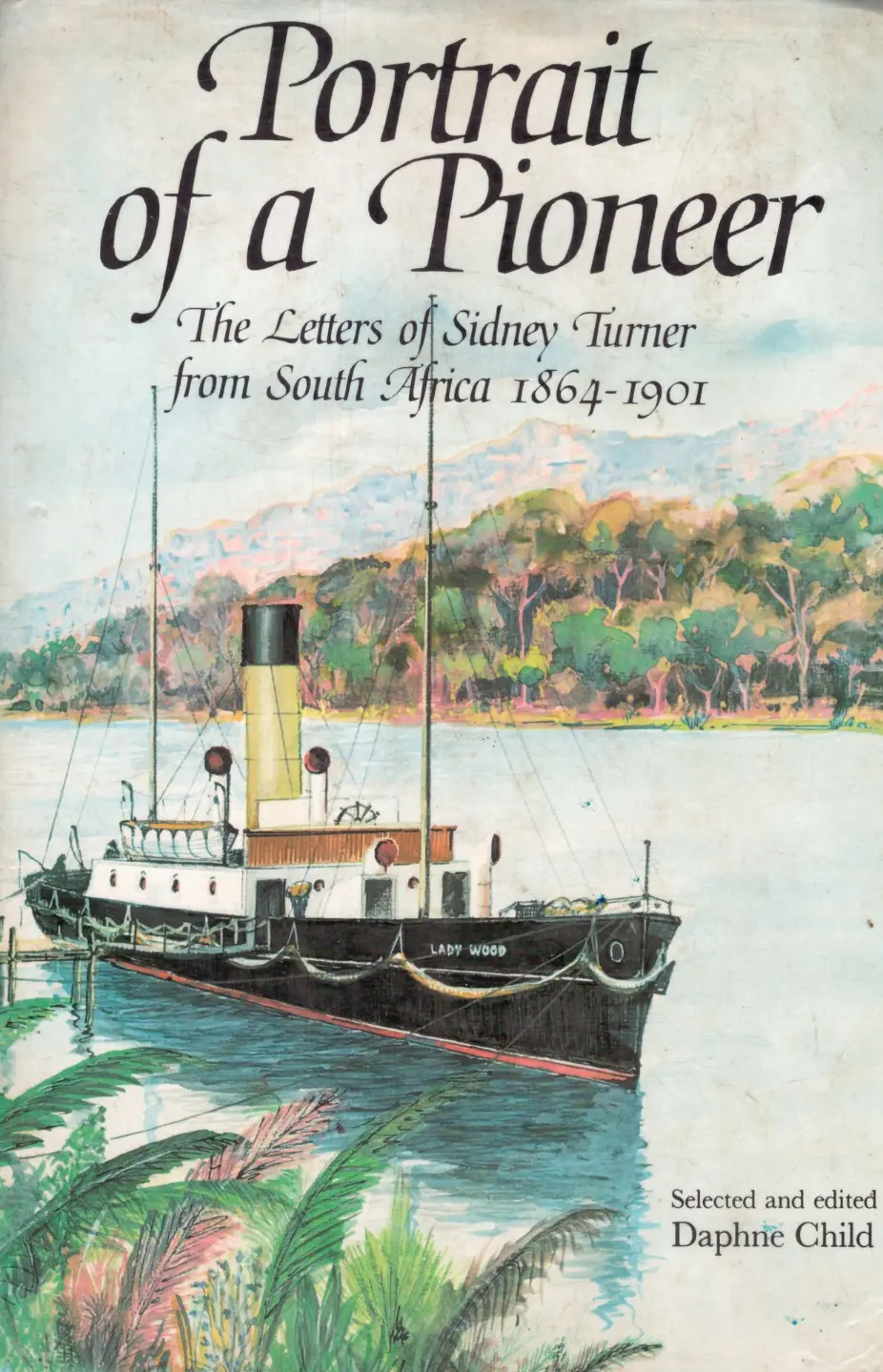
Sidney's Letters
Sidney Turner, aged 19, left home in Norfolk, England in 1864 to seek his fortune in the exciting new settlement of Durban in the newly formed Natal colony. He wrote letters home regularly to his family. His news was well told with insight and humour. His family kept the letters which became a fascinating documentation of life in the turbulent times that followed.
The restless urge
Life in England in 1860 was marked by significant social, economic, and political changes. The country was in the midst of the Industrial Revolution, which had begun in the late 18th century and continued to transform society. Many people moved from rural areas to cities in search of work in factories. Cities like Manchester, Birmingham, and London experienced rapid growth. By 1860, around 50% of the population lived in urban areas. English society was divided into distinct classes. The upper class consisted of landowners and the wealthy industrialists. The middle class, including shopkeepers, professionals, and clerks, was expanding. The working class faced significant challenges, such as overcrowded living conditions and limited access to education and healthcare.
Tenant Farming
In 1860, tenant farming was a significant aspect of agricultural life in England. During this period, many farmers worked land that they did not own, renting it from landowners. The system of tenant farming allowed individuals who may not have had the capital to purchase land to engage in agriculture. Typically, tenants would pay rent for the land, which could be arranged annually or over a longer-term lease.
The Family
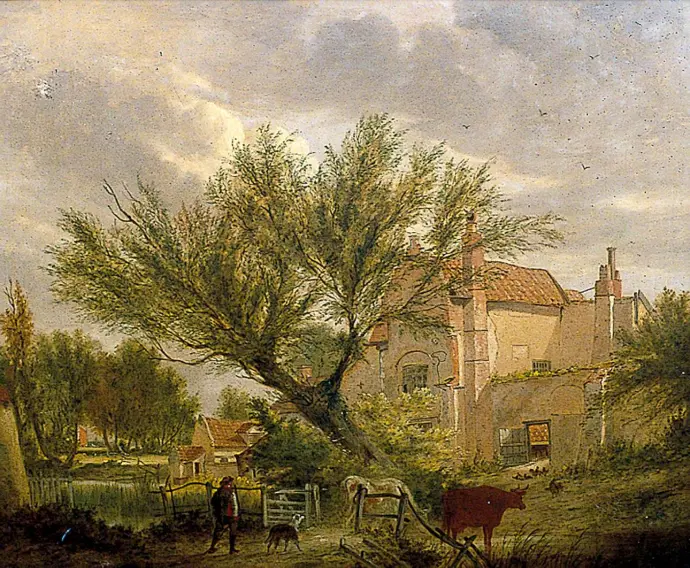
Jonathan Turner, Sidney's father, had been running a thriving farm which employed over 100 people at Trowse Hall in Norfolk, pictured here in a painting.
But the landlord had decided not to renew the lease so the young family faced an uncertain future. At the time he left home Sidney's oldest sister Jannette was 23, his brother Ellis was 20, his brother Horace was 16 and his young sister Lucy was 13. Sidney's father was already in his 50's so there must have been some pressure on Sidney to move on to exciting prospects in a new land. They had all suffered the loss of a young 14 year old Jessie the year before Sidney left.
Why these Letters?
Throughout his life Sidney wrote letters to his parents and siblings and as he had a keen eye and a fine turn of phrase his letters form a valuable and unique insight into the demanding and turbulent currents in the growth of a newly forged society.
I have lived in Durban for 55 years and have travelled throughout Southern Africa and so the places mentioned by Sidney in his letters have an immediacy which has real meaning to me.
My father was born in Port St Johns which is Sidney's last resting place and so my connection with the letters has a poignancy which I hope to bring to life with an existential approach to his life experiences.
I am really not interested in polemics and historical or political debate. To my mind we are placed by happenstance into life situations which we navigate governed by rules of decency, fair play and humour. Sidney was a resourceful, strong and brave man who threw himself into his life with energy and focus.
Someone in the family recognised the value in the letters and they were preserved and bequeathed to the Local History Museum in Durban.
I have personally seen the letters which are kept safely in the Local History Museum in Durban.
The letters have been published in a book by historian Daphne Child, called Portrait of a Pioneer.
I will refer to these published letters, but I also have have a set of transcripts of the original letters which were collated and typed by Charles Maytom, Sidney's son-in-law. I will mostly be publishing from the original transcripts.
I will rely for historical background and research on available AI like ChatGPT. On the web page I will follow a convention which makes it clear which is research.