Hitch-hiking in the 70s
Nugget06
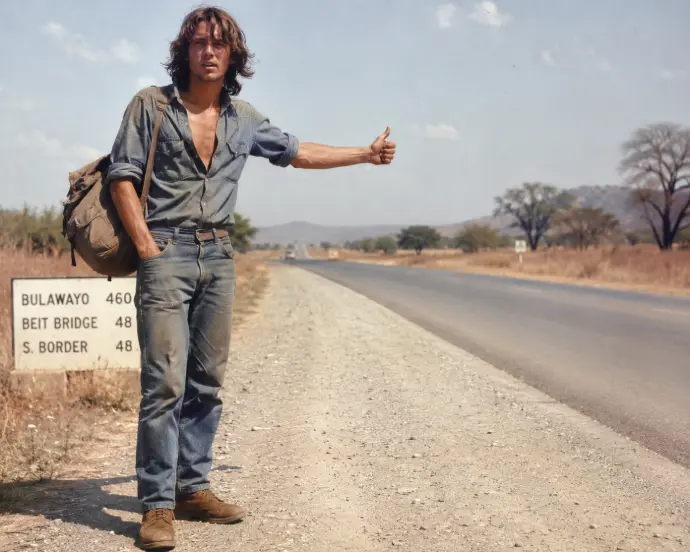
Was hitch-hiking dangerous?
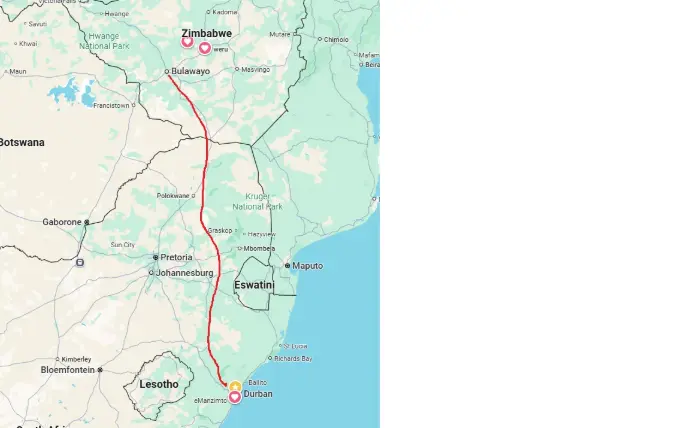
In 1970's hitchhiking was considered slightly risky but an acceptable way of getting around. The only problem was that I had to get from my university in Durban, South Africa to home in Bulawayo, Zimbabwe which is 1500 kilometers away. So it was a solid two days journey (or possibly more depending on your luck).
I had R20 per month pocket money and we were not allowed to stay in student residence during the vacations so my choices were very limited. Four times a year then I would trust in the universe to look after me and put my thumb out on the road.
There was an unspoken etiquette amongst hitchhikers that we would give each other a lot of room. There were sometimes quite a few hitchhikers, including guys doing military service who tended to get preference. I had shoulder-long hair and was automatically considered to be potentially dangerous. Outside Pretoria - the bastion of conservatism I received plenty of haircut signs, where the man would hang out his driver window and make a vigorous scissors sign and possibly a loud "Sny jou hare!" ("Cut your hair") possibly followed by "Jou Bliksem!")
Generally, though, most people were kind and I usually made it back home within two days. I had a sleeping bag and would often sleep in any sort of shelter. I have the ability to sleep anywhere. Once I found myself at the outskirts of PaulPietersburg, a small town on the border of Natal and Transvaal late at night. In those days there was fuel restrictions at night and there was no traffic. There was a cold wind blowing, whistling through pine trees and I felt very alone and dejected. I decided to find a police station so that I coud sleep in a cell. I trudged in to the town and found the police station. I was told gruffly that all the cells were full. But the policeman took pity on me and gestured to the charge office desk and said I could sleep under there. I was so grateful I sank into a deep sleep and was only subliminally aware of noise and heavy boots. Another time I fell asleep on a bench outside a hotel in Louis Trichardt. I was aware that I was being scrutinised at some stage during the night but carried on slumbering.
The preferred route
For those who know South Africa the preferred route for me was called the Loskop Dam way, which most Zimbabweans preferred as well. From Bulawayo we would have to get to the border at Beit Bridge. Then down to Warmbaths except you have to look out for the turn off to Marble Hall then Loskop Dam. MiddelBurg, Ermelo, Hendrina, Volksrust then dropping down to Newcastle, Estcourt, Pietermaritzburg and down the hills to Durban.
Standing and waiting for potentially hours - waiting for the sound of a car and watching it roar past has a special kind of longing and frustration . I once waited 4 hours at West Nicholson - nearly gave up and crossed the road to hitch the other way and get home. I met some very kind people - there is something very intimate about being trapped in a car with a stranger. It is part of the protocol to realise that your duty is to keep the driver awake and entertained.
No cellphones!
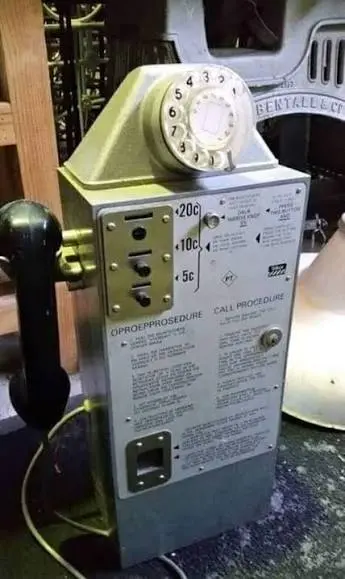
It is quite hard to believe, looking back in time, that all this travel happened twenty years before the mobile phone. I had a payphone at the student residence but you had to book an international call via a human operator (0020) . The recipient had to accept the call, usually putting them into a state of panic. Then you had to deposit your coins hich gave a solid clunk and hope it all worked. As a result I never phoned to say I was setting off on my epic journey as my mother would imagine the worst!
The odd thing is that as soon as my first lift pulled up I had a marvellous sense of adventure and optimism. I can't even remember whether I ate anything. Being young and resilient I don't remember being hungry or discomforted in any way. I also slipped into a blind trust in strangers who had my life in their hands.
One of my lifts was in a big V8 with a cockpit full of dials on the dashboard. The driver who had a bushy beard and brawny arms pointed to one of the dials, "watch this!" He changed down and the engine roared. "Bearbox pressure" he said laconically. He was travelling about 140 and overtook a slower car on the left-hand shoulder. (In South Africa we drive on the left - so he was overtaking in a wildly reckless way.) remember the whites of the startled eyes in the other car.
Another trip I was standing in the very hot sun on the long hill justpast Loskop Dam resort feeling forlorn and trying to put on a smiling face when a man and his wife pulled up in a Beetle. The driver insisted that his pregnant wife had to sit in the back, which was very embarassing. He turned out to be a Volkswagen enthusiast and would hoot and cheer whenever we came across another Volkswagen.
People are basically kind when you really are at their mercy. Near a little town called Hendrina an old couple in a DKW pulled up. They did not speak a word of English.The old lady had her hair tightly plaited up. I was effusive in my thanks but I could see that they were apprehensive and had still been compassionate
But at Pietersburg (now Polokwane) my spirit was dashed late at night by an encounter with two couples (the girls sitting in the back - who leaned out and screeched "If you get your hair cut we will give you a lift!" The guys in the front saw my shock and shouted "Los hom" (Leave him alone).
Despite the occassional bad episode the trip was partof the adventure of living.